
Step-by-Step Certificate Attestation Process for Kuwait
7/18/20255 min read
Understanding Certificate Attestation
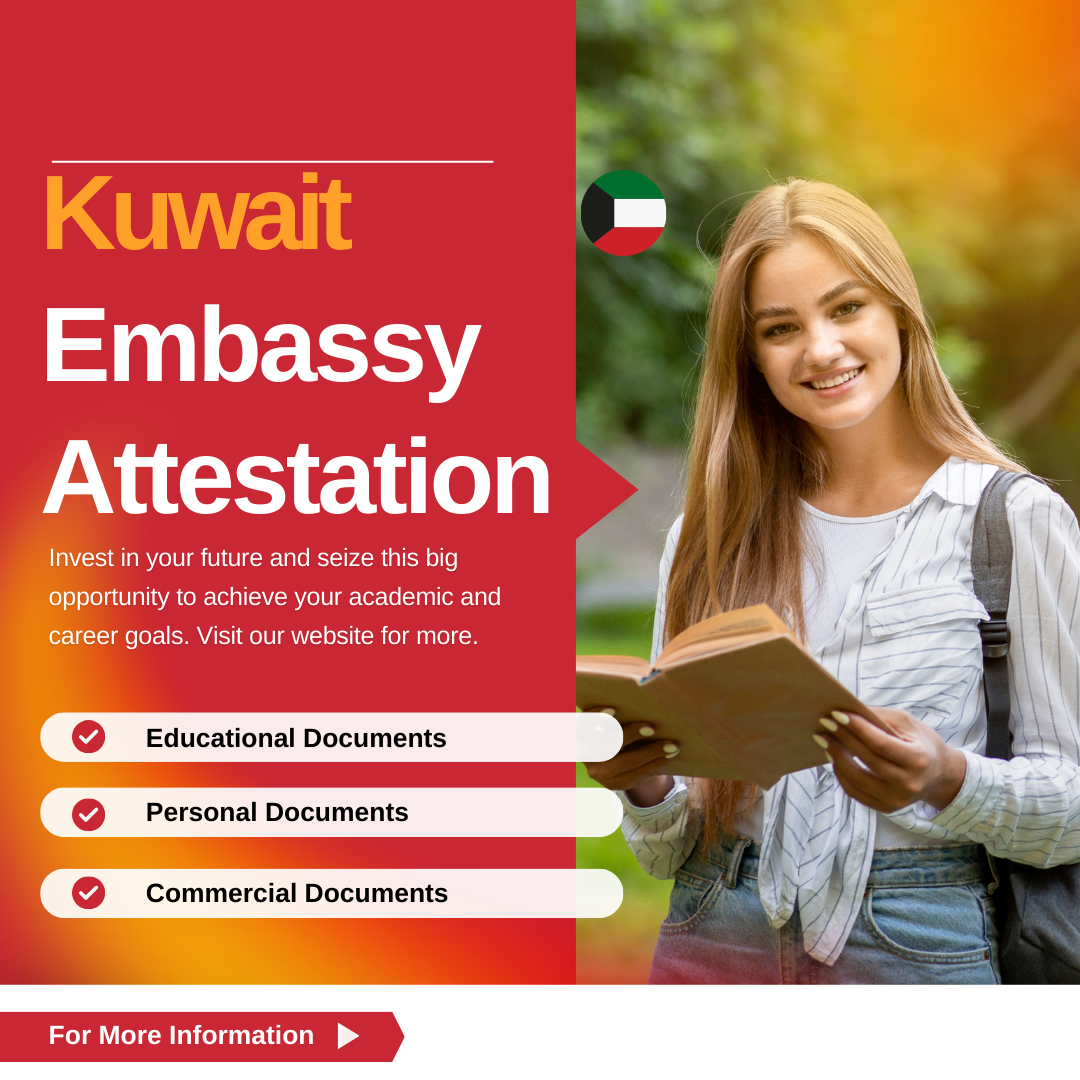
Certificate attestation is a crucial process that serves to authenticate various types of documents to be utilized in foreign countries, including Kuwait. This process involves verification of the signatures and seals on documents such as educational, personal, and commercial papers. The primary aim of attestation is to establish the legitimacy of these documents, ensuring that they are recognized by the authorities in the destination country.
The necessity of certificate attestation arises from the need to prevent fraud and unauthorized claims. For individuals and businesses intending to operate in Kuwait, ensuring that their documents are properly attested is vital. Without attestation, there is a risk that documents could be deemed invalid, potentially leading to legal complications or rejection by local authorities. For instance, educational qualifications need to be attested to prove that they meet the local standards and requirements set by relevant Kuwaiti institutions.
Additionally, personal documents like birth and marriage certificates also require attestation to confirm the identity and civil status of individuals. For businesses, commercial documents such as contracts and agreements must undergo this verification process to be legally binding in Kuwait. This underscores the significance of adhering to the correct procedures in the attestation process, which not only ensures the acceptance of documents but also safeguards against any potential misinformation.
In essence, certificate attestation plays a vital role in facilitating smooth interactions with Kuwaiti authorities. Individuals and entities seeking to engage in educational, personal, or commercial activities in Kuwait must recognize the importance of this process. Following the proper certificate attestation steps can help in avoiding unnecessary delays, ensuring that all documents are in order, and ultimately contributing to a successful experience in Kuwait.
Step 1: Notary Attestation in Your Home Country
The notary attestation process is the initial and crucial step in certifying your documents for use in Kuwait. This process involves the authentication of various document types, including educational certificates, personal documents such as birth or marriage certificates, and commercial documents. Obtaining notary attestation ensures that your documents are legally recognized and assists in their further attestation requirements.
To begin the process, you must gather the required documents. Typically, these may include the original document that needs to be attested, a valid photo ID of the individual requesting the attestation, and any additional documents that may be pertinent to the specific certificates being attested. For instance, educational institutions may also require verification from the respective school or university regarding the authenticity of the certificates.
Next, it is essential to locate a reliable notary public in your area. This may involve researching local notary services, seeking recommendations, or exploring online directories. Ensure that the chosen notary has adequate experience with the type of documents you need to be attested. It is advisable to contact the notary beforehand to inquire about their fees, availability, and any additional requirements they may stipulate.
The role of the notary public is to authenticate your documents and verify your identity. This is accomplished through a signature and embossed seal on each document, confirming that the document has been duly executed in accordance with the legal standards of your jurisdiction. The notary may also assess if the documents are original or certified copies.
The costs associated with notary attestation can vary, influenced by factors such as the complexity of the documents and the fees applied by the notary. Being aware of these potential costs ahead of time will aid in budgeting for the overall attestation process. Completing this step accurately and efficiently establishes a strong foundation for the subsequent attestation requirements you will encounter when preparing for your stay in Kuwait.
Step 2: State-level Attestation
The second crucial phase in the certificate attestation process for Kuwait is the state-level attestation. This step varies depending on the type of document being processed, ranging from educational, personal to commercial documents. Understanding the specific authorities responsible for each category is vital for a smooth attestation experience.
For educational documents, such as degrees and diplomas, the attestation is typically carried out by the Human Resource Development (HRD) department or the respective education department of the state. It is important to ensure that the educational institution from which the degrees are obtained is recognized by the local education authority. Generally, the documents must be submitted along with a request letter, copies of the relevant identity proofs, and in some cases, the original certificates for verification. The HRD may also require an affidavit or a verification report of the academic credentials processed through the university.
When addressing personal documents, such as birth and marriage certificates, the attestation typically involves the home department or the Sub-Divisional Magistrate (SDM). The process requires the document holder to provide essential information and supporting documents, including identity proofs, application forms, and any relevant existing certificates. It is imperative to verify which department governs the notarization and legal endorsement of these personal documents, as the requirements may differ based on jurisdiction.
Lastly, for commercial documents, such as business agreements and certificates of incorporation, the attestation process is overseen by the chamber of commerce. The necessary documents typically include the agreements to be certified, a cover letter outlining the request for attestation, and any other related documents that establish the legitimacy of the transaction or agreement. The chamber of commerce acts as a validation authority, confirming the authenticity of the commercial entities involved.
Final Steps and Tips for Successful Attestation
After successfully completing the notary and state-level attestations for your documents, you should now focus on the final steps required to ensure smooth certification in Kuwait. The next stage generally involves submitting the attested documents to the appropriate authorities in Kuwait, such as the Ministry of Foreign Affairs or the embassy/consulate, depending on the specific requirements of your situation.
Prior to submission, it is critical to ensure that all documents are correctly organized and that you possess any additional paperwork that might be required. These may include application forms, identification documents, or other relevant certifications. It is prudent to check the guidelines provided by the respective authority in Kuwait, as different types of documents may have varying requirements.
In order to avoid potential pitfalls during the attestation process, consider the following best practices. First, double-check that all information on your documents is accurate and matches the details in your identification documents. Mistakes can lead to delays or rejections. Secondly, allow ample time for the completion of each attestation stage, as processing times can vary significantly. Submitting your documents well in advance of any deadlines can alleviate unnecessary stress.
Additionally, it may be beneficial to consult with professionals or attestation services that specialize in document authentication for Kuwait. They often possess extensive knowledge of the process and can assist in navigating any complexities that may arise. Engaging with experienced professionals can save valuable time and may enhance the likelihood of successful certification.
In summary, completing the final steps of the certificate attestation process requires careful preparation and adherence to best practices. By organizing your documents meticulously, allocating sufficient time for each stage, and considering professional assistance, you can significantly improve your chances of a smooth and successful attestation process in Kuwait.
Attestation
Expert services for document attestation in Kuwait.
Documents
Kuwait
+91 92107 76391
© 2025. All rights reserved.