Kuwait Embassy Attestation Guide: How to Legalize Your Documents for Travel
7/11/20254 min read
Understanding Document Attestation
Document attestation refers to the process of verifying and authenticating documents to ensure their legitimacy, especially for use in international settings. This procedure is vital for individuals planning to travel, work, or study abroad, as well as for those engaging in legal transactions in foreign countries. The attestation process typically involves obtaining a series of approvals from relevant authorities, which can significantly vary from one country to another. This variability can create confusion for those unfamiliar with the requirements of document attestation.
In general, the attestation process begins with the notarization of documents, which serves as an initial level of validation. Following notarization, the documents must often be reviewed and stamped by various government entities, such as the Ministry of Foreign Affairs and other regulatory bodies, depending on the country in question. Each nation has unique requirements regarding which documents require attestation and the corresponding procedures, making it essential to understand the regulations pertinent to your specific destination.
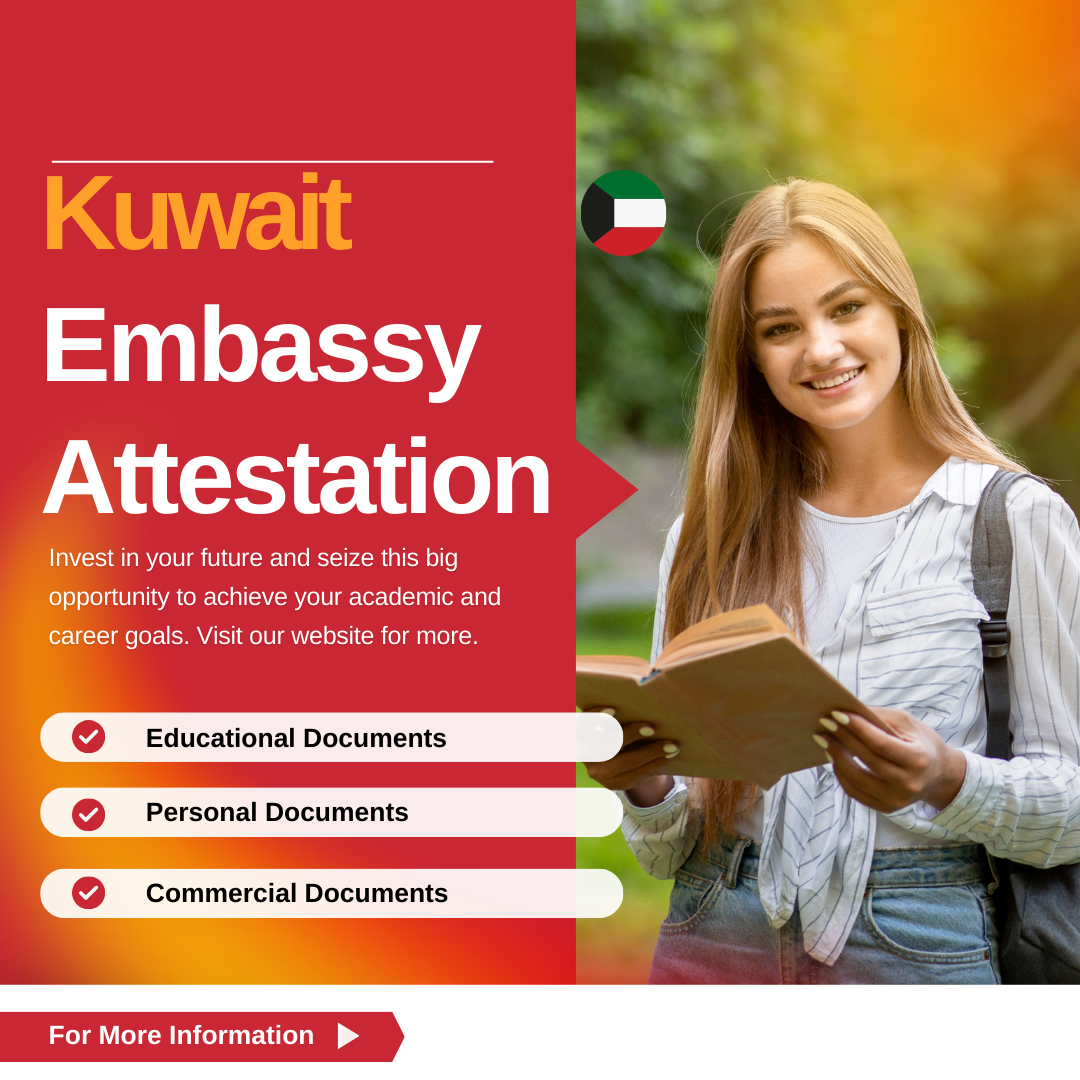
When it comes to traveling to Kuwait, the importance of document attestation cannot be overstated. The Kuwaiti government mandates that several types of documents—such as educational certificates, marriage licenses, and commercial papers—be attested before they are accepted for legal purposes within the country. This is particularly crucial for expatriates seeking employment, students wishing to pursue higher education, or businesspersons aiming to engage in commercial activities. Failure to have the necessary documents attested may lead to complications, including denial of entry or refusal to recognize the legality of the documents in question.
As such, understanding the nuances of the document attestation process is essential for anyone planning to travel to Kuwait. Ensuring that your documents are correctly attested not only streamlines your travel experience but also safeguards against potential legal issues while abroad.
Documents Requiring Attestation
When preparing for travel to Kuwait, it is essential to understand that certain documents must undergo the attestation process to be considered valid. This process serves to verify the authenticity of your documents and is a requirement imposed by the Kuwaiti government. Below is a comprehensive list of document types that require attestation, along with specific guidelines for each category.
Firstly, educational certificates are among the most common documents requiring attestation. This includes degrees, diplomas, and transcripts from educational institutions. These documents must be verified by the respective educational authority in the country of origin before being submitted for attestation to the Kuwaiti embassy.
Legal documents also require attestation. This category includes marriage certificates, birth certificates, and any other legal documents that may play a role in your activities in Kuwait. These documents must typically be notarized and then authenticated by the foreign affairs ministry of your home country prior to being attested by the Kuwaiti embassy.
Furthermore, medical records may need to be attested, particularly if you are traveling for health-related purposes or seeking employment in the medical field. These records should be issued on original letterhead from accredited medical institutions and often require validation from health authorities as a preliminary step.
Lastly, personal identification documents such as passports and national identification cards need to be attested as well. It is advisable to ensure that these documents meet the required format and specifications set forth by the Kuwaiti authorities to avoid any delays in the process.
To ensure a smooth attestation process, it is crucial to prepare each document according to these guidelines. By being diligent in this regard, travelers can avoid unnecessary complications during their transition to Kuwait.
The Attestation Process for Kuwait
Attesting your documents for use in Kuwait involves a detailed procedure that ensures your paperwork meets the legal requirements of the country. To begin, the first step in the attestation process is document verification. It is essential to gather all relevant documents, which may include degrees, marriage certificates, or any other official paperwork that needs to be legalized. Once you have your documents, they must be verified by the appropriate authorities in your home country. This may include eligibility checks by educational institutions or local government agencies.
After the initial verification, the next step is to obtain notarization. Notarization serves as a confirmation that the documents are genuine and can be recognized by the Kuwaiti authorities. You will need to visit a notary public to have your documents stamped and signed, which signifies that the information contained within them is true and accurate. This process is crucial as it confirms the legitimacy of your documents before they are presented to the Kuwaiti Embassy.
Once notarized, your documents can then be submitted to the Kuwaiti Embassy for the final legalization process. It's important to check the specific requirements that the embassy mandates for document submission to avoid any delays. The embassy typically has a set of fees associated with the attestation process, which can vary depending on the nature and number of documents. Processing times can also differ, so it is advisable to plan accordingly. To keep track of your application status, many embassies provide tracking services or contact numbers for inquiries. Overall, understanding each phase of the attestation process is essential for a successful document legalization for travel to Kuwait.
Common Challenges and How to Overcome Them
Embarking on the journey of document attestation for Kuwait can often present various challenges that may hinder the process. One of the most common issues individuals face is incomplete documentation. This can easily occur if applicants are unaware of the specific requirements needed for their particular documents. To mitigate this risk, it is advisable to thoroughly review the attestation requirements outlined by the Kuwait Embassy before submitting any paperwork. Cross-referencing the required documents with official sources can help ensure all necessary materials are collected.
Another frequent challenge is the misunderstanding of the attestation process itself. Many applicants may not fully grasp the sequence of steps required, leading to confusion and potential delays. To navigate this complexity, individuals should consider seeking assistance from professionals who specialize in document attestation. These experts can provide clarity on each phase of the process and help applicants prepare their documents accurately, thus avoiding unnecessary setbacks.
Delays in processing are also a significant frustration during the attestation journey. Factors contributing to delays can include high volumes of applications or missing information. To counteract this, it is beneficial to submit applications well in advance of any planned travel date. Additionally, maintaining communication with the embassy or agency responsible for processing your documents can help keep applicants informed about the status of their applications and allow for quick resolution of issues.
For those requiring additional support or clarification, it is crucial to leverage available resources such as customer service hotlines, official embassy websites, or local notary services experienced in attestation matters. By understanding these common challenges and implementing proactive strategies for overcoming them, individuals can streamline their attestation process and ease their transition into traveling to Kuwait.
Attestation
Expert services for document attestation in Kuwait.
Documents
Kuwait
+91 92107 76391
© 2025. All rights reserved.