Moving to Kuwait for Work? Don’t Miss These Embassy Attestation Essentials
7/12/20254 min read
Understanding Embassy Attestation
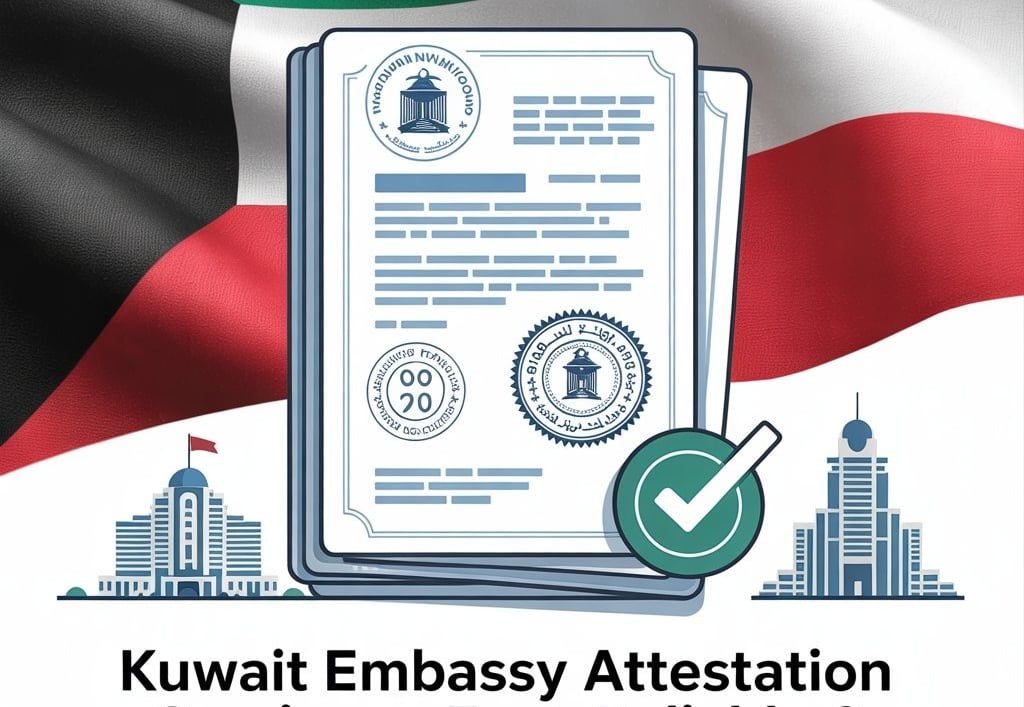
Embassy attestation is an essential procedure that validates documents for individuals planning to relocate internationally, particularly expatriates moving to Kuwait for work. This process involves the endorsement of various documents by relevant authorities, ensuring that they are authentic and can be recognized by the governmental bodies of the destination country. For expatriates, this validation is crucial as it facilitates a smooth transition into the new workplace and helps in establishing a legal presence in Kuwait.
The necessity of embassy attestation stems from the need for foreign governments to verify the authenticity of educational and professional qualifications. Without this validation, many expatriates may find themselves facing challenges in securing employment, signing housing leases, or even completing administrative tasks that require proof of identity and qualifications. This is particularly important in Kuwait, where the legal framework demands comprehensive document verification for expatriates seeking work and residency permits.
Typically, the documents that require attestation include but are not limited to educational degrees, marriage certificates, birth certificates, and employment letters. Each of these documents plays a pivotal role in the relocation process. For instance, a degree certificate attested by an embassy can demonstrate a candidate’s qualifications to potential employers, while a marriage certificate may be necessary for family visa applications. The process generally involves multiple steps, including verification from the relevant educational institution or authority in the expatriate's home country, followed by attestation from the Ministry of Foreign Affairs, and finally obtaining approval from the relevant embassy.
Understanding the significance of embassy attestation and its requirements is key for expatriates planning their move to Kuwait. By having the necessary documents duly attested, expatriates can ensure a more efficient transition into their new environment, minimizing potential bureaucratic hurdles and paving the way for a successful working experience in Kuwait.
The Attestation Process: Step-by-Step Guide
Embarking on a new job opportunity in Kuwait necessitates the completion of several important steps, one of which is the embassy attestation process. To facilitate this, it is essential to follow a systematic approach that can simplify the required actions. The attestation process typically involves several crucial steps that must be executed with precision.
First, gather the necessary documents. These documents usually include your original educational certificates, such as degrees and diplomas, along with several sets of photocopies. In many cases, some employers may also require additional documents like experience certificates or identity proofs, so it is prudent to check with the hiring organization for specific requirements.
The next step involves notarization of the documents, where a licensed notary public will verify your originals and copies. This step serves as a preliminary validation and is necessary before proceeding to official authorities. Following notarization, the documents must be submitted to the appropriate state education department for verification. Each state has its own procedures, so it's essential to confirm specific protocols beforehand. The state authority will authenticate your documents, thus paving the way for further processing.
Once the educational documents have been authenticated, the next phase is to approach the embassy or consulate of Kuwait. This is where the final attestation occurs. Ensure that you have all the certified and original documents as required by the embassy. Processing times can vary, generally ranging from a few days to several weeks, depending on the embassy's workload.
Regarding costs, fees may vary, so it is advisable to contact the embassy for specific attestation charges. To ensure a smooth experience, maintain clarity in documentation and consistently follow up throughout each step of the attestation process. By carefully adhering to this guide, expatriates can experience a smooth transition to working in Kuwait.
Common Challenges and How to Overcome Them
Embassy attestation is a crucial step for individuals planning to relocate to Kuwait for work. However, it is not without its challenges. One prominent issue is the potential for document rejections, which can occur due to various reasons such as missing signatures, lack of required stamps, or discrepancies in information. To mitigate this risk, it is advisable to verify all paperwork thoroughly before submission. Ensure that all documents are complete, accurate, and meet the specific requirements set by the embassy.
Another common challenge is encountering language barriers, especially if you are not fluent in Arabic. This can result in misunderstandings or miscommunications regarding documentation requirements or processes. To effectively overcome this obstacle, consider enlisting the services of a professional attestation agency. These agencies are familiar with the procedures and can assist in translating documents, thereby ensuring that applications are accurately completed and submitted in accordance with the local language requirements.
Additionally, understanding the varying regulatory requirements from different authorities can pose a challenge. Not all documents may require the same level of verification or have identical processes, which can lead to confusion. To address this, it is essential to conduct thorough research prior to initiating the attestation process. Familiarize yourself with the specific guidelines established by the Kuwait embassy as well as any other organizations involved. Online platforms and official government websites can be invaluable resources for this purpose.
In conclusion, while the embassy attestation process can present several challenges when moving to Kuwait for work, proactive measures can significantly ease the burden. By preparing accurately, employing professional assistance, and understanding individual regulatory landscapes, individuals can navigate these hurdles with greater confidence and efficiency.
Additional Resources and Contacts
Relocating to Kuwait for work can be an exciting yet challenging experience. It is essential to be well-prepared, particularly regarding legal and administrative processes. To assist expatriates in their journey, we have compiled a list of valuable resources and contacts that can guide newcomers through the attestation requirements and help them adapt to their new environment.
First and foremost, visiting the official Kuwaiti Ministry of Foreign Affairs website can provide essential information about visa regulations, documentation for embassy attestation, and procedures for expatriates. This site is crucial to understanding the legal framework within which new residents must operate.
For those in need of official assistance, contacting the nearest Kuwaiti embassy or consulate is advisable. You can find a list of embassies and consulates on the same government website. They can offer assistance with any inquiries about work permits and attestations, clarifying the specific documentation required for your employment.
Additionally, various professional attestation services can help streamline the process. Websites such as Attestation Services provide comprehensive guidance and assist with the attestation of documents, making it easier for expatriates to verify their qualifications and follow local regulations.
Finally, expatriates should familiarize themselves with Kuwaiti culture and laws to facilitate a smoother transition. Resources like the Expatriate website offer cultural orientation and tips about living in Kuwait. Learning about local customs, business etiquette, and social norms can greatly enhance the expatriate experience and help individuals build meaningful connections in their new work environment.
Attestation
Expert services for document attestation in Kuwait.
Documents
Kuwait
+91 92107 76391
© 2025. All rights reserved.