Kuwait Embassy Attestation Process Explained
Discover the importance of the Kuwait embassy attestation process, including fees and common mistakes to avoid. Ensure your documents are properly attested for smooth international dealings.
9/1/20254 min read

The Importance of Kuwait Embassy Attestation
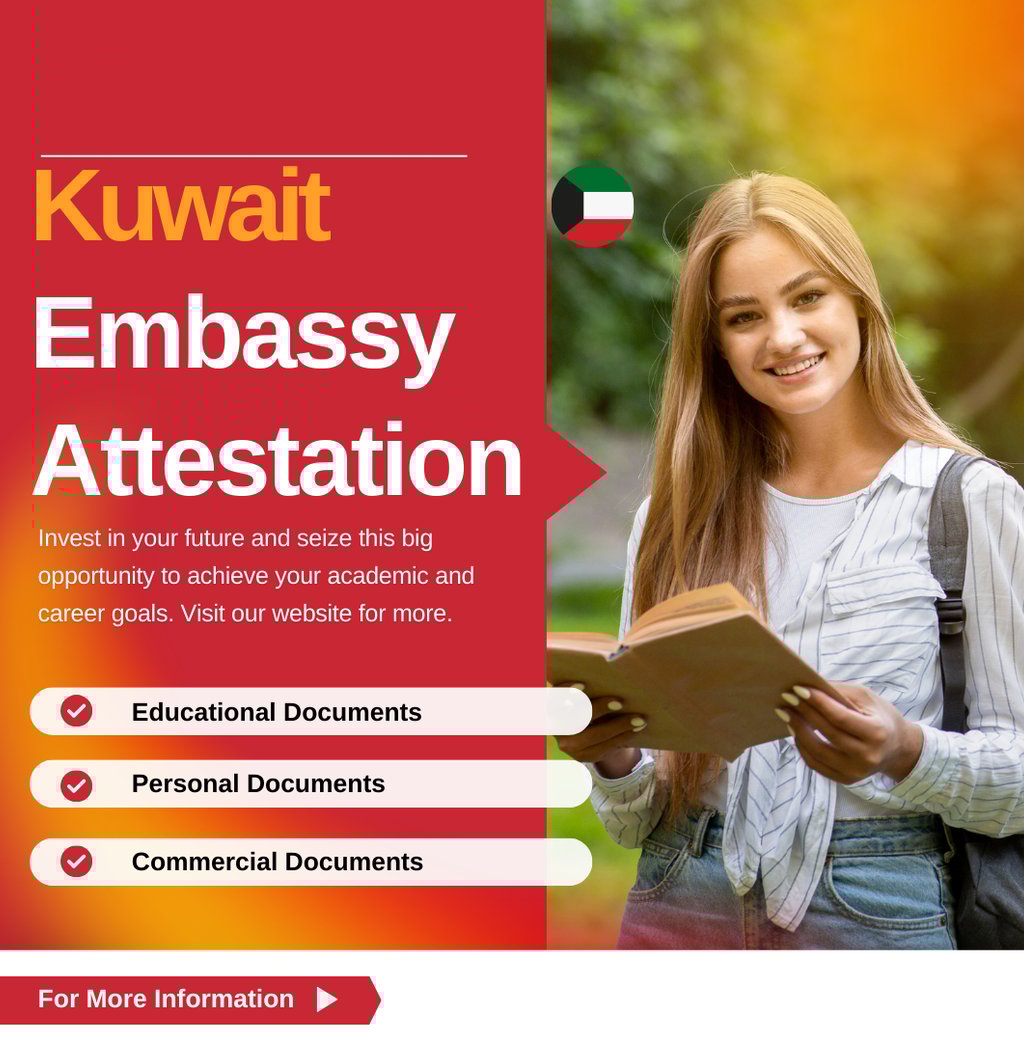
Kuwait embassy attestation plays a crucial role in ensuring that documents are recognized as valid and authentic by the authorities in Kuwait. The process of attestation is essential in various scenarios, including employment, immigration, education, and legal matters. When individuals plan to move to Kuwait for work or study, they must present certain documents, such as academic certificates, employment letters, and personal identification. Without proper attestation from the Kuwait embassy, these documents may not be acknowledged by employers, educational institutions, or government agencies.
One significant aspect of embassy attestation is its ability to mitigate issues related to fraudulent documents. By requiring attested documents, Kuwaiti authorities can uphold a standard of integrity in the verification of credentials, thus reducing the chances of fraud. This becomes particularly important in work and immigration applications, where the stakes are high for both the applicant and the employer. Attestation acts as a form of quality assurance, allowing applicants to demonstrate that their qualifications and documents are legitimate.
In addition to employment and immigration, Kuwait embassy attestation is vital for individuals who require the legalization of documents for legal purposes, such as marriage, property transactions, or court cases. Many legal processes can only commence when the relevant documentation is properly attested. Moreover, educational institutions in Kuwait frequently require attested certificates for admission and enrollment processes, reinforcing the importance of this procedure for students.
Ultimately, Kuwait embassy attestation provides a pathway for individuals to navigate the complexities of relocating or working in Kuwait. By ensuring that documents are properly attested, applicants can foster an environment of trust and legitimacy, easing transitions into Kuwaiti society and its professional landscape.
Overview of the Attestation Process
The attestation process at the Kuwait embassy is a vital step for individuals aiming to validate documents required for various purposes, such as employment, education, or legal proceedings in Kuwait. This procedure ensures that documents are recognized and accepted by the government of Kuwait, thereby enhancing their credibility. Essentially, document attestation involves a series of steps that must be meticulously followed to avoid delays and complications.
One of the first considerations is identifying the types of documents that require attestation. Commonly attested documents include educational certificates, marriage certificates, birth certificates, and commercial documents. Each of these types may have specific requirements and regulations that must also be adhered to prior to submission. Therefore, it is crucial to ensure that all documents are original, duly signed, and carry the necessary official seals from the relevant local authorities.
Before submitting any document for attestation, applicants must meet preliminary prerequisites, such as obtaining necessary endorsements from the relevant ministries. For instance, educational documents may require prior approval from the Ministry of Education in the applicant's home country. Following the completion of these preliminary steps, applicants should compile the required documents and complete the appropriate attestation application form provided by the embassy.
The processing times for attestation can vary significantly based on factors such as the type of document and the embassy's workload. As a general guideline, applicants should anticipate processing to take anywhere from a few days to several weeks. To ensure a smooth attestation process, it is advisable to double-check that all documents are correctly prepared, follow the procedural steps outlined by the embassy, and maintain clear communication with embassy officials for any inquiries or additional information needed throughout the process.
Fees Associated with the Kuwait Embassy Attestation
The Kuwait embassy attestation process involves several fees that vary depending on the type of document being attested. Understanding these costs is crucial for anyone planning to engage in this process, as it allows for better financial planning and ensures that no surprises arise during the attestation journey. The primary fee categories include the basic attestation fee, which generally ranges from $20 to $100 per document. This fee is contingent on the nature of the document, such as educational certificates, commercial documents, or personal identification papers.
In addition to the standard attestation fees, applicants should be aware of any additional service fees that may apply. These can include charges for expedited processing, courier services, or additional verification services that may be necessary for certain types of documents. For instance, if a document needs urgent processing, it may incur an extra fee of $50 or more, depending on the urgency and specific requirements of the embassy.
Payment methods for these fees typically include credit cards, bank transfers, and potentially cash, although it is advisable to check the latest guidelines from the embassy for accepted payment methods. Some embassies also offer online payment options, which can simplify the process significantly. Potential applicants should budget accordingly to encompass these expenses and any unforeseen charges that might arise during the attestation process.
Ultimately, the financial investment involved in Kuwait embassy attestation is a vital aspect of achieving the necessary certifications for international use. By understanding the full scope of the fees, individuals can ensure a smoother, more informed experience when navigating this essential bureaucratic procedure.
Common Mistakes to Avoid During the Attestation Process
The process of obtaining an attestation from the Kuwait embassy can be intricate, with several common pitfalls that applicants often encounter. One of the foremost mistakes involves submitting incomplete documentation. It is crucial to thoroughly check the requirements outlined by the embassy before submitting any documents. Missing essential paperwork can lead to delays or even denial of the attestation request, which may necessitate restarting the entire process.
Another frequent issue is misunderstanding the specific requirements associated with different types of documents. Each document type may carry its own set of rules or preconditions. For instance, educational documents may need verification from educational boards before proceeding with the attestation. It is advisable to consult with the embassy’s guidelines or seek professional assistance to ensure compliance with specific requirements.
Additionally, many applicants mismanage the timelines involved in the attestation process. They often underestimate the time needed for processing and gathering necessary documents. This can result in rushed submissions or missed deadlines, creating added stress. To avoid this, setting realistic timeframes and allowing ample time for processing is essential. Planning ahead can significantly enhance the chances of a successful outcome.
Improper application procedures can also create challenges during the attestation process. Different countries and even different embassies may have varied procedures. Therefore, it is imperative to be well-informed of the specific procedures applicable to the Kuwait embassy. Following all instructions meticulously reduces the risk of common mistakes.
Finally, lack of follow-up can lead to missed notifications regarding the status of the attestation request. Regularly checking in with the embassy or service provider can keep the process on track and alert applicants to any outstanding issues. By steering clear of these common mistakes, applicants can navigate the attestation process with more assurance and achieve success more efficiently.
Attestation
Expert services for document attestation in Kuwait.
Documents
Kuwait
+91 92107 76391
© 2025. All rights reserved.